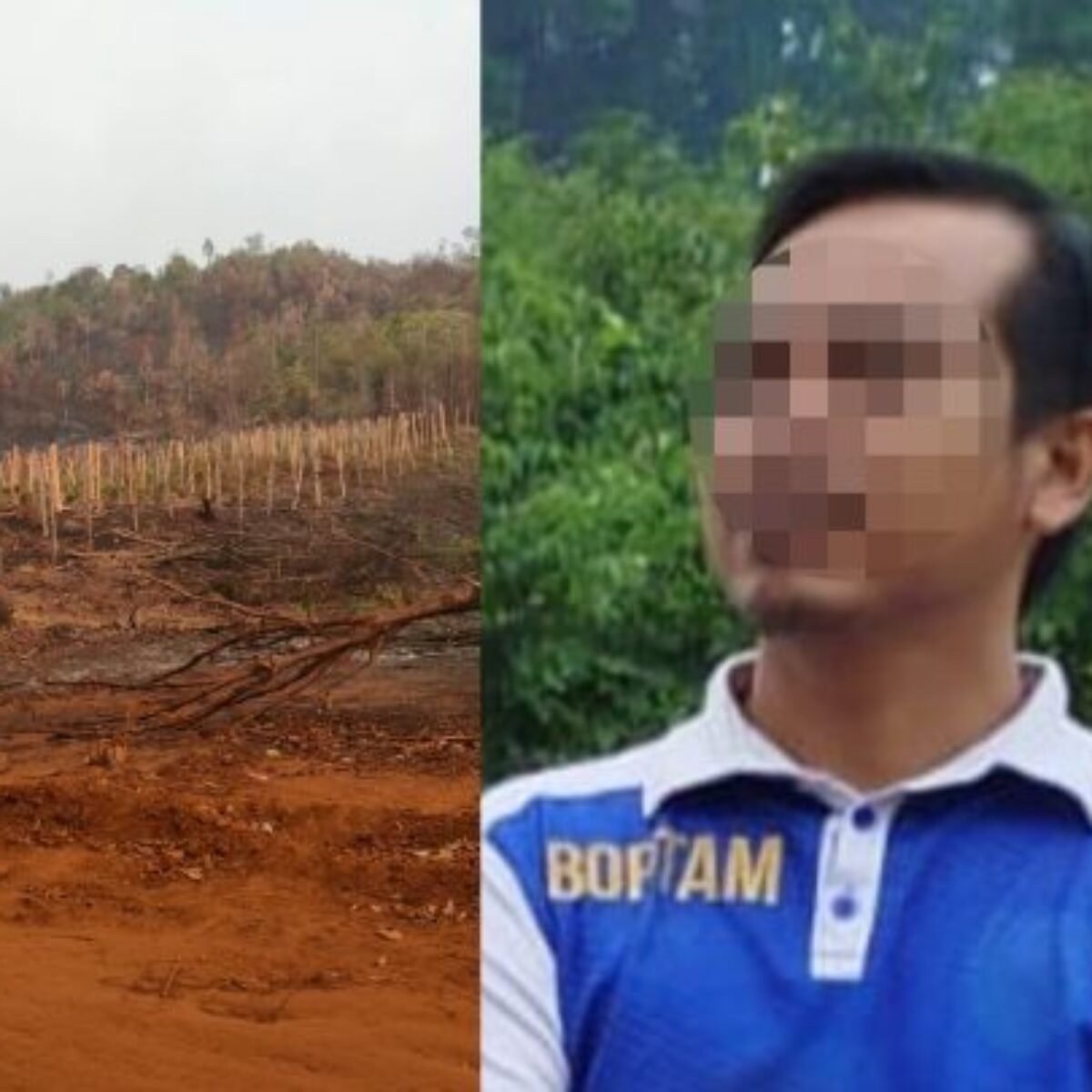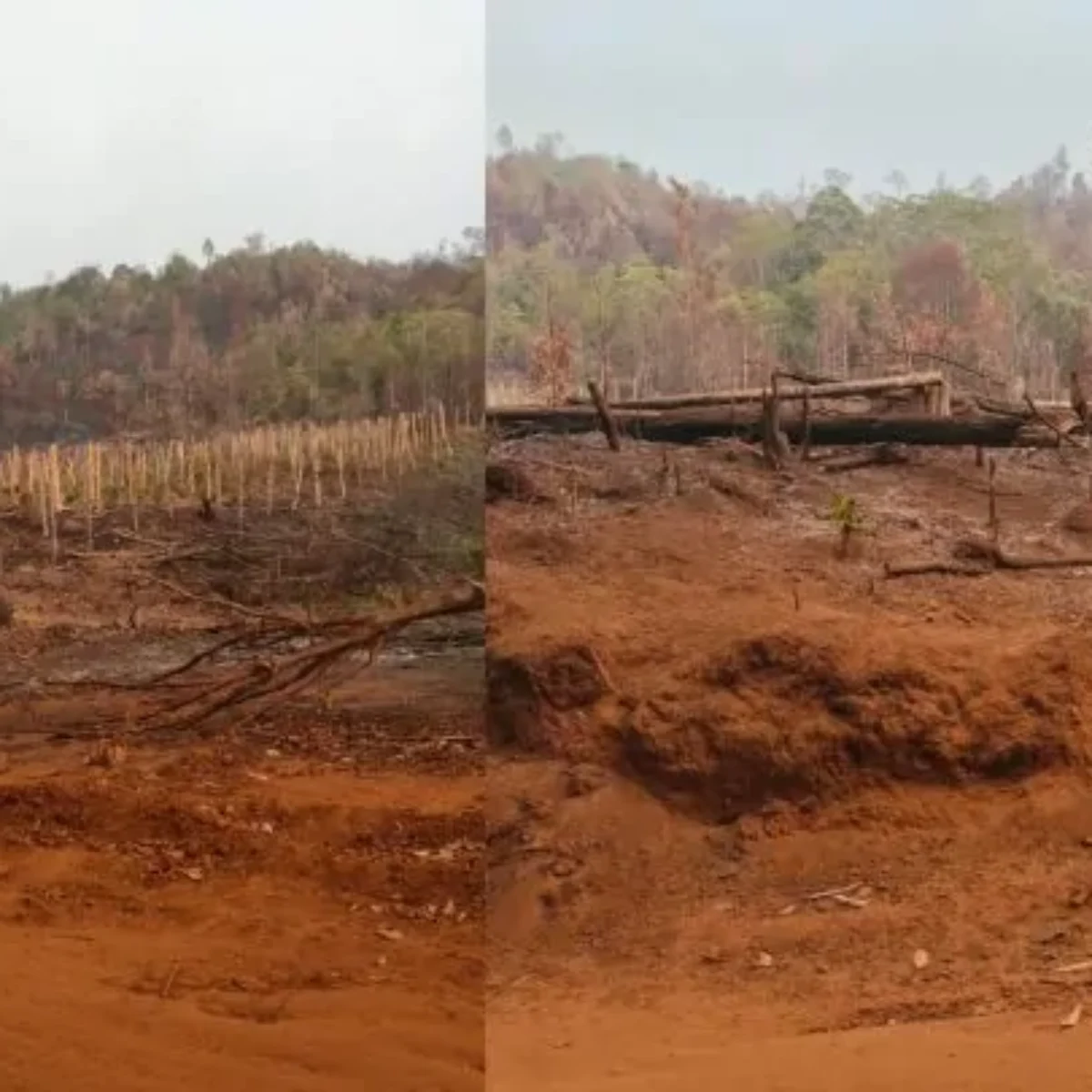
Makassarviral.com, Makassar, Kamis, 29/10/2026 — Forest fires that have blanketed 76% of Indonesia’s seasonal zones are increasingly seen as a planned land‑clearing scheme that benefits a few powerful interests, not just a natural disaster.
Karhutla: Bencana atau Rencana?
BMKG satellite data recorded 1,279 hotspots nationwide, with 505 in Sumatra alone, and smoke spreads with the wind beyond the hot zones.
Activists argue that blaming nature alone obscures the role of deliberate burning to clear land cheaply for corporations, sacrificing millions of lungs in the process.
Possible Foreign Involvement
The police chief, Jenderal Suyudi Ario Seto, hinted at outside actors when he said, “ini ada keterlibatan pihak asing ya,” Kamis, 29/10/2026.
His comment, reported by media Kompas.com, has become a focal point for probing which foreign parties might be behind the fires.
Policy Contradictions and Greed
Prabowo has ordered the revocation of permits for companies that burn land for palm‑oil plantations, yet his brother, Hashim Djojohadikusumo, a presidential climate and energy envoy, proposed converting 12.7 million hectares of degraded forest into large‑scale palm‑oil estates for biofuel.
The plan, highlighted by Bloomberg Technoz, treats damaged forest as a profit source instead of rehabilitating it, reflecting a broader normalization of ecological harm for elite gain.
Human Cost
East Kalimantan’s health agency reported 322,067 cases of severe ISPA, forcing children in affected areas to inhale toxic smoke.
Kalimantan, once called the world’s lung, now slowly destroys the lungs of its people and animals, turning fresh air into a denied basic right.
Laws lose their bite when they confront powerful corporations, and administrative sanctions such as permit freezes have become empty gestures that appease the public without real deterrence.
Without decisive action to curb greed and enforce environmental laws, Karhutla will remain a weapon of profit that robs citizens of clean air and sacrifices habitats for a privileged few.
The challenge is not to tame the weather but to confront the greed that turns natural cycles into calculated disasters.